
The Sweetener that Is More Dangerous than Alcohol
While total calories do contribute to increases in diabetes rates around the world, they don’t explain the whole story. When scientists dug deeper to find out what it is that people are eating that’s contributing most to the global crisis in obesity and obesity-related diseases, it turns out that a calorie isn’t always just a calorie. The truth is it’s the increase in total fats and carbohydrates that we’re consuming that’s causing the massive weight gain in people around the world.
What’s more, there’s just one food on Earth that, because of its unique composition, metabolizes in the body as both fats and carbohydrates—and that product is sugar. We get sugar in two forms, glucose and fructose. But don’t be fooled: when it comes to sugar, the claim you hear on TV, that “sugar is sugar” no matter what form it’s in, is a misstatement that literally can kill you. Fructose is NOT the same as glucose, and the body not only knows this, but processes it differently than glucose, sending it straight to the liver, where it’s every bit as damaging as alcohol and other toxins.
Don’t Call It Pampering: Massage Wants to Be Medicine
While massage may have developed a reputation as a decadent treat for people who love pampering, new studies are showing it has a wide variety of tangible health benefits.
Research over the past couple of years has found that massage therapy boosts immune function in women with breast cancer, improves symptoms in children with asthma, and increases grip strength in patients with carpal tunnel syndrome. Giving massages to the littlest patients, premature babies, helped in the crucial task of gaining weight.
Is massage just for pampering or does it have true biological effects? A recent study showed muscles rebounded better if massaged after exercising to exhaustion. Andrea Petersen on Lunch Break has details on Lunch Break.
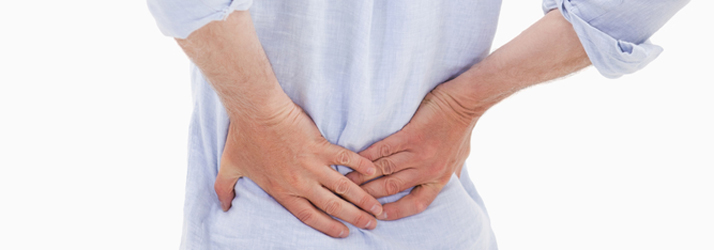
The benefits go beyond feelings of relaxation and wellness that people may recognize after a massage. The American College of Physicians and the American Pain Society now include massage as one of their recommendations for treating low back pain, according to guidelines published in 2007.
New research is also starting to reveal just what happens in the body after a massage. While there have long been theories about how massage works—from releasing toxins to improving circulation—those have been fairly nebulous, with little hard evidence. Now, one study, for example, found that a single, 45-minute massage led to a small reduction in the level of cortisol, a stress hormone, in the blood, a decrease in cytokine proteins related to inflammation and allergic reactions, and a boost in white blood cells that fight infection.
There's been a surge of scientific interest in massage. The National Center for Complementary and Alternative Medicine, part of the National Institutes of Health, is currently spending $2.7 million on massage research, up from $1.5 million in 2002. The Massage Therapy Foundation, a nonprofit organization that funds massage research, held its first scientific conference in 2005. The third conference will be in Boston next year.
The research is being driven, in part, by massage therapy's popularity. About 8.3% of American adults used massage in 2007, up from 5% in 2002, according to a National Health Statistics report that surveyed 23,393 adults in 2007 and 31,044 adults in 2002, the latest such data available. Massage was expected to be a $10 billion to $11 billion industry in 2011 in the U.S., according to estimates by the American Massage Therapy Association, a nonprofit professional organization.
"There is emerging evidence that [massage] can make contributions in treating things like pain, where conventional medicine doesn't have all the answers," said Jack Killen, NCCAM's deputy director.
The massage therapy field hopes that the growing body of research will lead to greater insurance coverage for its treatments. Washington is the only state that requires insurers to cover massage therapy.
About 8.3% of American adults used massage in 2007, up from 5% in 2002, according to a National Health Statistics report. Elsewhere, private insurers generally provide very limited coverage for massage. WellPoint, WLP -1.99%for example, doesn't include massage as a standard benefit in most of its plans, but employers can purchase alternative medicine coverage as an add on, said spokeswoman Kristin E. Binns. Aetna AET -10.59%doesn't cover massage therapy as a standard benefit but offers members discounts on massage visits with practitioners who are part of an affiliated network of alternative medicine providers. Providers such as chiropractors or physical therapists, whose visits are often covered, sometimes use massage as part of their treatment.
Massage therapists charge an average of about $59 for a one-hour session, according to the American Massage Therapy Association. Treatments at posh urban spas, however, can easily cost at least three times that amount.
Most of the research is being done on Swedish massage, the most widely-available type of massage in the U.S. It is a full-body massage, often using oil or lotion, that includes a variety of strokes, including "effleurage" (gliding movements over the skin), "petrissage" (kneading pressure) and "tapotement" (rhythmic tapping).
Research Findings
A full-body massage boosted immune function and lowered heart rate and blood pressure in women with breast cancer undergoing radiation treatment, a 2009 study of 30 participants found.
Children given 20-minute massages by their parents every night for five weeks plus standard asthma treatment had significantly improved lung function compared with those in standard care, a 2011 study of 60 children found.
A 10-minute massage upped mitochondria production, and reduced proteins associated with inflammation in muscles that had been exercised to exhaustion, a small study last month found.
.Another common type of massage, so-called deep tissue, tends to be more targeted to problem muscles and includes techniques such as acupressure, trigger-point work (which focuses on little knots of muscle) and "deep transverse friction" where the therapist moves back and forth over muscle fibers to break up scar tissue.
Massage is already widely used to treat osteoarthritis, for which other treatments have concerning side effects. A study published in the Archives of Internal Medicine in 2006 showed that full-body Swedish massage greatly improved symptoms of osteoarthritis of the knee. Patients who had massages twice weekly for four weeks and once a week for an additional four weeks had less pain and stiffness and better range of motion than those who didn't get massages. They were also able to walk a 50-foot path more quickly.
"If [massage] works then it should become part of the conventionally recommended interventions for this condition and if it doesn't work we should let [patients] know so they don't waste their time and money," says Adam Perlman, the lead author of the study and the executive director of Duke Integrative Medicine in Durham, N.C.
Scientists are also studying massage in healthy people.
In a small study published in the journal Science Translational Medicine last month, a 10-minute massage promoted muscle recovery after exercise. In the study, 11 young men exercised to exhaustion and then received a massage in one leg. Muscle biopsies were taken in both quad muscles before exercise, after the massage and 2½ hours later.
The short massage boosted the production of mitochondria, the energy factory of the cell, among other effects. "We've shown this is something that has a biological effect," says Mark Tarnopolsky, a co-author of the study and a professor of pediatrics and medicine at McMaster University Medical Center in Hamilton, Ontario.
A 2010 study with 53 participants comparing the effects of one 45-minute Swedish massage to light touch, found that people who got a massage had a large decrease in arginine-vasopressin, a hormone that normally increases with stress and aggressive behavior, and slightly lower levels of cortisol, a stress hormone, in their blood after the session. There was also a decrease in cytokine proteins related to inflammation and allergic reactions.
Mark Hyman Rapaport, the lead author of the study and the chairman of psychiatry and behavioral science at the Emory University School of Medicine in Atlanta, says he began studying massage because, "My wife liked massages and I wasn't quite sure why. I thought of it as an extravagance, a luxury for only people who are very rich and who pamper themselves." Now, Dr. Rapaport says he gets a massage at least once a month. His group is now studying massage as a treatment for generalized anxiety disorder.
.Knead to Know Tips
• How can you make sure you get a good massage? Most states regulate massage and require therapists to be licensed. This usually requires a minimum number of hours of training and an exam. There is also national certification. Members of the American Massage Therapy Association must have 500 hours of training.
• Ask how many massages a therapist gives a day—and make sure you're not the 10th or even the seventh. 'It takes a lot of physical exertion to deliver a therapeutic massage,' says Ken Morris, spa director at Canyon Ranch, a health resort in Tucson, Ariz. Canyon Ranch limits its therapists to six massages in a day.
By : Andrea Peterson
March 13, 2012, on page D1 in some U.S. editions of The Wall Street Journal
The Guide to Beating a Heart Attack
FIRST LINE OF DEFENCE IS LOWERING YOUR RISK, EVEN WHEN GENETICS ISN'T ON YOUR SIDE!
By RON WINSLOW
Here's the good news: Heart disease and its consequences are largely preventable. The bad news is that nearly one million Americans will suffer a heart attack this year.
Deaths from coronary heart disease in the U.S. have been cut by 75% during the past 40 years. Hospital admissions for heart attack among the elderly fell by nearly 25% in a five-year period during the last decade, a remarkable feat when many experts had expected the aging population to cause an increase in the problem.
How to Survive a Heart Attack
Still, cardiovascular disease remains the leading killer of both men and women. Doctors worry that the steady progress from an intense public-health campaign beginning in the 1960s is in jeopardy thanks to the obesity epidemic and rising prevalence of diabetes. Only a relative handful of people are fully compliant with recommendations for diet, exercise and other personal habits well proven to help keep hearts healthy.
Particularly troubling are increasingly common reports of heart attacks among younger people, even those in their 20s and 30s, says Donald M. Lloyd-Jones, a cardiologist and chief of preventive medicine at Northwestern University's Feinberg School of Medicine in Chicago.
There is a lot a person can do to help prevent a heart attack. One international study found that about 90% of the risk associated with such factors as high cholesterol and blood pressure, physical activity, smoking and diet, are within a person's ability to control. The study, called Interheart, compared 15,000 people from every continent who suffered a heart attack with a similar number of relatives or close associates who didn't.
Getty Images
While genetics plays a role in up to one-half of heart attacks, "You can trump an awful lot of your genetics with choices you make and with medicines if you need them," says Dr. Lloyd-Jones.
Ask Your Questions about Heart Health
The Basics
Knowing your cholesterol and blood pressure numbers is as fundamental to heart health as knowing the alphabet is to reading. Yet surveys show about one third of people with problem levels don't know it. For most people, optimal LDL, or bad cholesterol, is under 100; HDL, or good cholesterol, is over 60; and blood pressure is less than 120/80.
Tests for such readings aren't only important to understanding your risk, doctors say, but to measuring your progress toward reducing it. Healthy diet and exercise habits comprise the first line of offense toward improving or managing these numbers and toward controlling weight and blood-sugar levels as well. Drugs to lower cholesterol and blood pressure are effective weapons when needed.
Quitting smoking also yields big benefits. Within a year, a former smoker's heart-attack risk is reduced by 50%.
A 10-minute Workout
Guidelines urge three hours a week of brisk exercise to maintain heart health, but many people who can't find the time to work up a sweat for 30 minutes most days don't bother. "It's the all or nothing phenomenon," says Martha Grogan, a cardiologist at Mayo Clinic.
But how about 10 minutes a day? While the 30-minute target is associated with a 70% reduction in heart-attack risk over a year, Mayo researchers analyzed the data and noticed that a brisk 10-minute walk a day results in a nearly 50% reduction compared with people who get hardly any exercise.
The actual benefit varies depending on age, gender, weight and base line physical condition, and those at highest risk have the most to gain. "If you can do more, then you're better off," says Dr. Grogan. "But small amounts of exercise aren't nothing." Still, cardiologists say a 30-minute daily workout should be the goal.
“For people who sit most of the day, theirrisk of heart attack is about the same as smoking”—Martha Grogan,cardiologist at the Mayo Clinic
Keep Moving
Even regular exercise isn't sufficient if you're confined to a desk or a couch for the rest of the day.
A study from Australian researchers published two years ago found that spending more than four hours a day in front of a computer or television was associated with a doubling of serious heart problems, even among people who exercised regularly. The researchers tracked 4,512 men and women, mostly in their late 50s, for four years and compared them against those spending less than two hours in front a screen.
Prolonged sitting was associated with higher levels of inflammatory markers in the blood, higher body weight and lower levels of HDL, or good cholesterol, indicating that sedentary behavior has its own bad biology apart from whether you're physically active.
ReutersCardiovascular disease remains the leading killer of both men and women.
"For people who sit most of the day, their risk of a heart attack is about the same as smoking," Dr. Grogan says.
Possible remedies: getting up from your desk every 30 minutes or even working at your computer while standing up. Take a walk to talk to a colleague instead of sending an email. Or, "when the 2:30 p.m. doldrums hit," says Dr. Lloyd-Jones, "rather than going for a Snickers, go for a 10-minute walk. The benefit starts to occur as soon as you get up."
Build steps into your day. Take the stairs instead of the escalator; park at the edge of the parking lot at work or the mall instead of jockeying for a space near the entrance.
Don't Worry, Be Happy
In their new heart-health book "Heart 411," Cleveland Clinic doctors Marc Gillinov and Steven Nissen describe a study by Wayne State University researchers who rated the smiles of 230 baseball players who played before 1950 based on pictures in the Baseball Register. Then they looked to see how long the players lived on average: No smile, age 73; partial smile, 75. Those with a full smile made it to 80.
![[HEARTCHART_NS]](http://si.wsj.net/public/resources/images/OB-SP564_HEARTC_NS_20120416211202.jpg)
While not the most robust science, it is consistent with other research linking emotional health to lower risk of cardiovascular disease. In contrast, depression, anger and hostility have a deleterious effect. A Duke University study of 255 doctors from several years ago found that 14% of those rated above average for hostility based on a personality test had died 25 years later—most from heart disease—compared with 2% of those who tested below the average.
Eat your veggies
Complying with nutritional guidelines is the toughest challenge for most Americans, data from the American Heart Association indicate. Shopping the perimeter aisles of the grocery store is one possible remedy. It's where fresh produce and other unprocessed foods are typically found—generally considered more heart-healthy than the calorie-dense, salt-heavy foods found principally in the interior sections of the store, says Amparo Villablanca, a cardiologist at University of California, Davis.
She advises patients to "not put mud in your engines. You have to get people to think of their bodies as a finely tuned machine."
Adds Sharonne Hayes, a Mayo Clinic cardiologist: "Don't skip breakfast." If you don't eat in the morning, you trigger metabolic processes "that lead you to eat more during the day."
Get a Good Night's Sleep
Sleep's role in protecting the heart is underestimated, says Mayo's Dr. Grogan. "If you get one less hour of sleep than you need each night, you've basically pulled an all-nighter a week," she says. Chronic sleep deprivation can lead to high blood pressure, weight gain and increase your risk of diabetes, she says.
Healthy Heart Resources
Some books and websites for more information
'Heart 411'
• 'Heart 411' A comprehensive heart-health guidebook covering preventive strategies and treatment options by Drs. Marc Gillinov and Steven Nissen of the Cleveland Clinic
• 'Mayo Clinic Healthy Heart for Life!' A book designed to help readers start and maintain a life-long plan for heart health
•mylifecheck.heart.org An American Heart Association-sponsored website geared to helping people set up a plan to achieve targets on seven different risk factors for cardiovascular disease
•cardiosmart.org An educational website for patients sponsored by the American College of Cardiology
• womenheart.org An educational and support-group website focusing on prevention and treatment of women affected by heart disease
A version of this article appeared April 17, 2012, on page D1 in some U.S. editions of The Wall Street Journal, with the headline: The Guide to Beating a Heart Attack.